

Iran closes Strait of Hormuz again amid rising tensions
US blockade forces dozens of ships to turn back
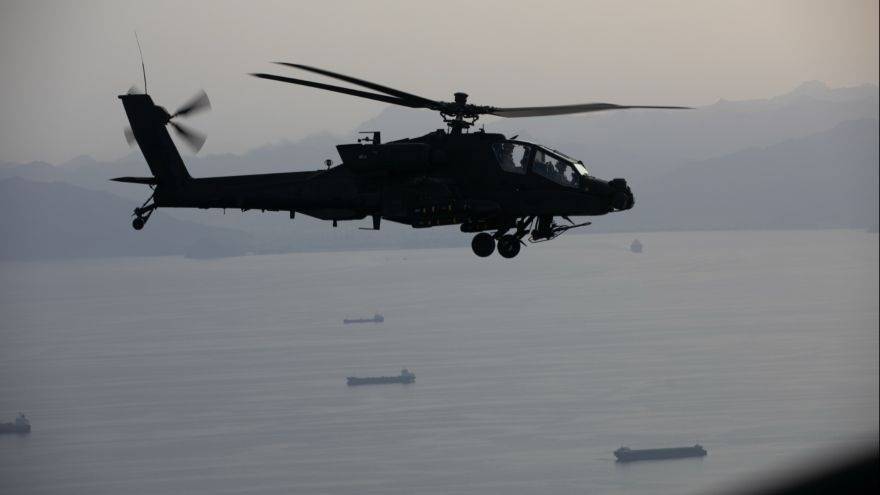
DUBAI – The Strait of Hormuz has once again become the centre of a rapidly escalating crisis, as Iran’s navy warned vessels against passage and multiple ships reported coming under fire on Saturday.
The move marks a sharp reversal after earlier signals suggested limited reopening of the waterway under a ceasefire arrangement. With hundreds of vessels stranded and global energy flows already under strain, tensions in the region continue to deepen.
Merchant ships attempting to cross the strait on Saturday received radio broadcasts declaring the route closed. The message stated that no vessel of any type or nationality would be allowed to pass, citing what Iran described as the failure of the United States to honour commitments made during ongoing negotiations.
Sea incidents
At least two vessels reported being targeted by gunfire in waters between Qeshm and Larak islands, forcing them to abandon their transit. A tanker travelling northeast of Oman was also approached by armed boats that opened fire, though its crew remained unharmed. A container ship was similarly struck, underscoring the heightened risks facing commercial shipping.
UKMTO WARNING 037-26
— UKMTO Operations Centre (@UK_MTO) April 18, 2026
Click here to view the full Warning⤵️https://t.co/3Fxxl1HHUA#MaritimeSecurity #Marsec pic.twitter.com/SCG3TglveA
The incidents followed a brief window in which vessels had attempted to resume transit under restricted conditions set by Iran. However, renewed warnings and live-fire encounters effectively halted movement through the strait.
Iran’s position
Iranian officials framed the renewed closure as a response to what they described as violations by the United States. Authorities said the waterway had initially been reopened in line with a ceasefire agreement, allowing safe passage for commercial vessels. However, Tehran accused Washington of undermining the arrangement by maintaining a blockade and imposing selective restrictions.
Deputy Foreign Minister Saeed Khatibzadeh stated that Iran would not proceed with further negotiations until a clear framework of understanding is agreed. He emphasised that Tehran would not enter talks that risk failure or escalation, adding that Iran would not accept being treated as an exception to international law.
He also indicated that any commitments made by Iran would remain within international regulations, while warning of consequences if ceasefire terms were not respected.
Iranian leadership adopted a defiant tone, with senior figures asserting that the country’s armed forces are prepared to respond strongly to perceived threats. Officials described the US blockade as unlawful and warned that control of the strait would remain under strict Iranian management unless conditions change.
Military moves
The United States, meanwhile, confirmed that 23 vessels had turned back after complying with orders issued under its blockade of Iranian ports and coastal areas. Military patrols have intensified, with attack helicopters flying over the strait as part of ongoing operations.
Littoral combat ship USS Canberra (LCS 30) patrols the Arabian Sea during the U.S. blockade. Since commencement of the blockade, 23 ships have complied with direction from U.S. forces to turn around. American forces are enforcing a maritime blockade against ships entering or… pic.twitter.com/PMIBOoeJXS
— U.S. Central Command (@CENTCOM) April 18, 2026
The strategic waterway, which carries around 20% of global oil and liquefied natural gas supplies, remains effectively paralysed. Hundreds of ships and approximately 20,000 seafarers are currently stranded in the Gulf, awaiting clarity on safe passage.
Energy impact
The disruption comes amid a broader energy crisis triggered by nearly 50 days of conflict involving Iran. More than 500 million barrels of crude and condensate have been removed from global markets, marking one of the largest supply shocks in modern history.
With oil prices averaging around $100 per barrel, the lost output is estimated at roughly $50 billion in unrealised revenue. Gulf Arab producers saw production fall by around 8 million barrels per day in March, tightening global supply.
Jet fuel exports from key Gulf countries have also declined sharply, dropping from nearly 19.6 million barrels in February to just 4.1 million barrels across March and April combined. The reduction has significantly affected international aviation capacity.
Global crude inventories have fallen by about 45 million barrels so far in April, while production outages have reached approximately 12 million barrels per day since late March. Analysts indicate that recovery may take months for oil fields and years for damaged infrastructure.
Diplomatic efforts remain uncertain, with no timeline set for the next round of talks between Iran and the United States. Iranian officials maintain that progress depends on agreeing a framework first, as both sides continue to differ on key issues surrounding the conflict and nuclear programme.